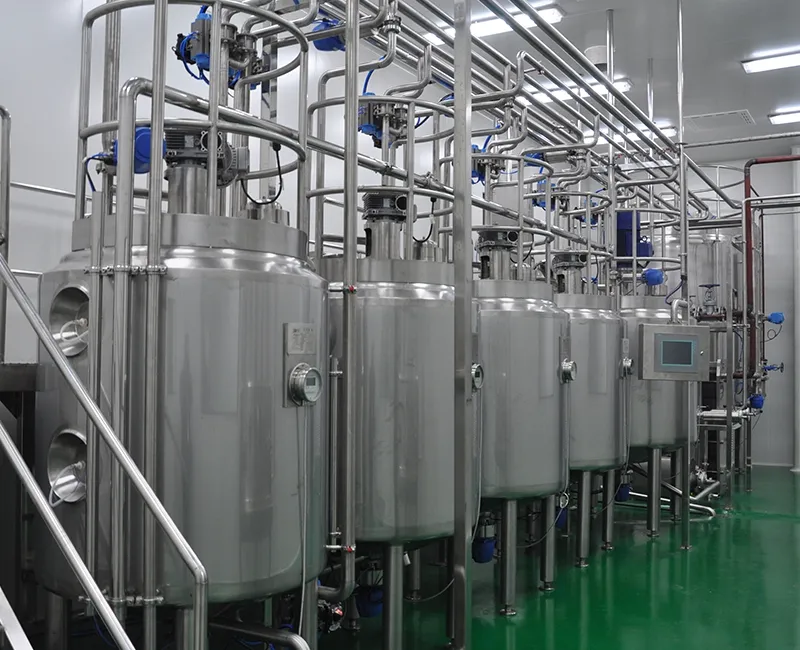
Stainless Steel Mixing Tank
- Tank volume: 0.5–30 m³
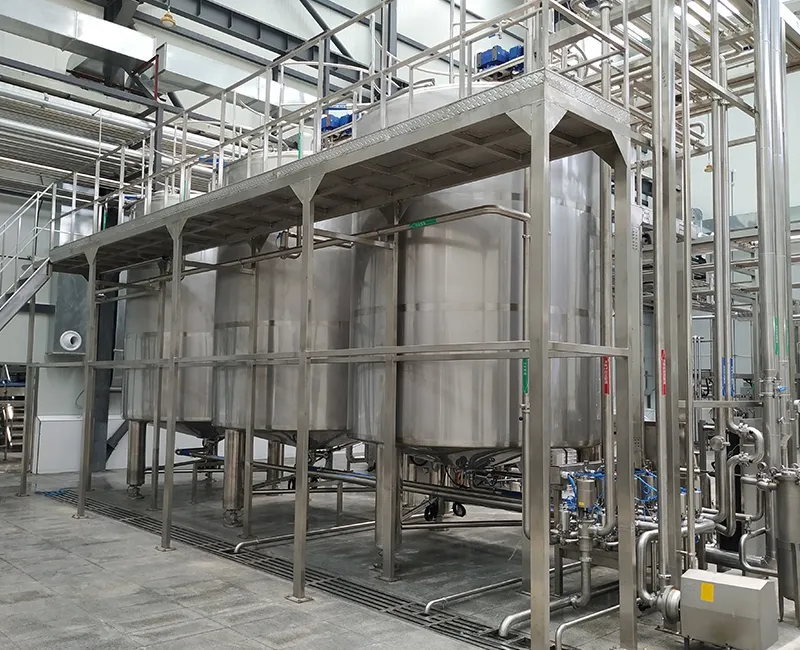
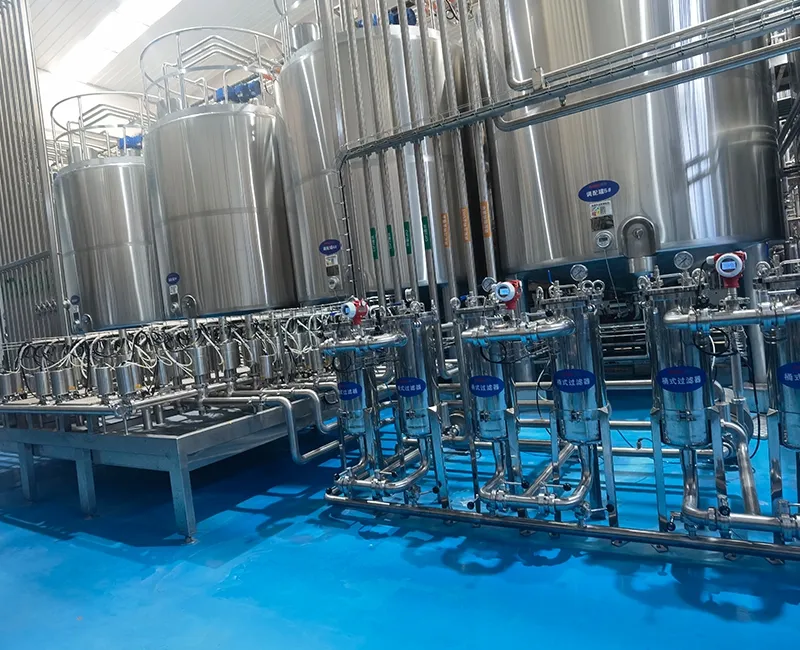
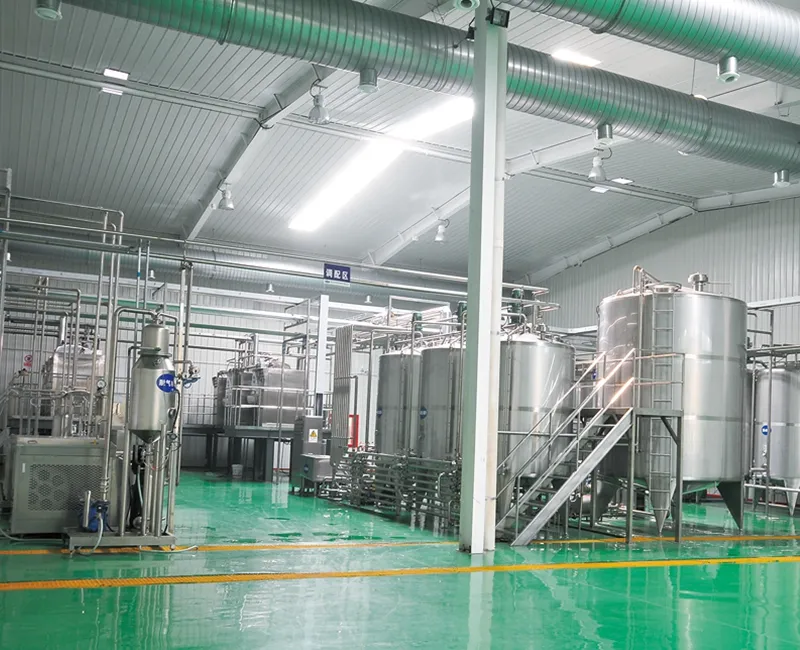
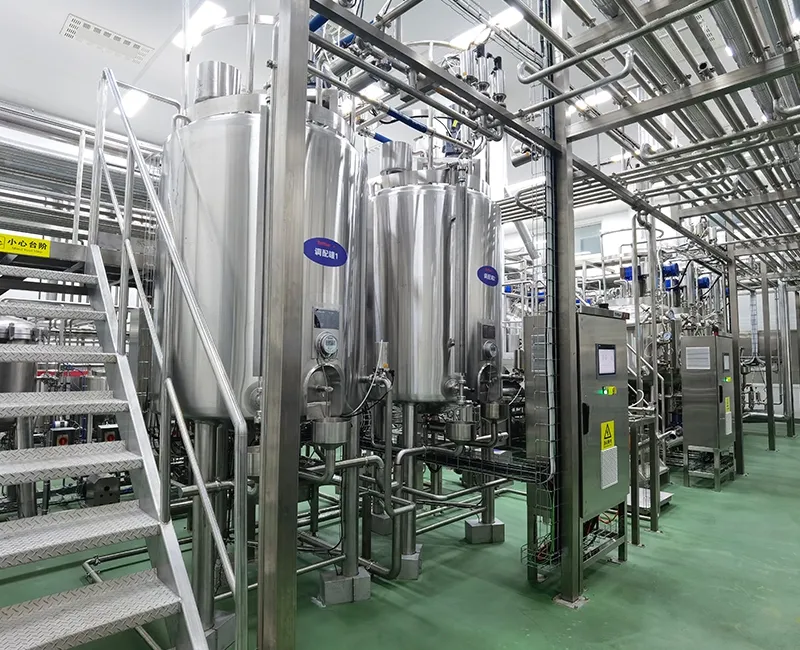
Stainless steel mixing tanks combine one or more ingredients and additives according to the proportions required for each formulation. They can be used for either hot or cold mixing processes in fruit beverage production, according to the formulation and process requirements. Supporting equipment for the mixing tanks includes small ingredient tanks, transfer pumps, filters, piping, valves, and transfer panels.
Before ingredients enter the mixing tanks, the tanks are cleaned through CIP and sterilized through SIP. Reverse-osmosis (RO) or deionized water is added to the tanks first, and if there is any ingredient that needs heat to dissolve, the water is heated before any other ingredients are added. The agitators keep the water moving as raw materials and additives enter in sequence, and mixing continues until the beverage formulation reaches a uniform consistency. When mixing is complete, samples of the beverage blend are tested for Brix, acidity, and other required values before it moves to the next processing stage.
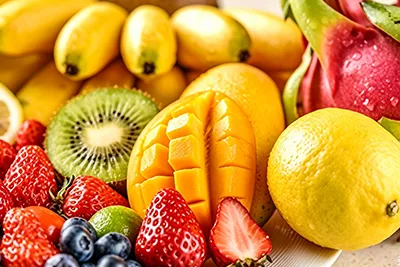
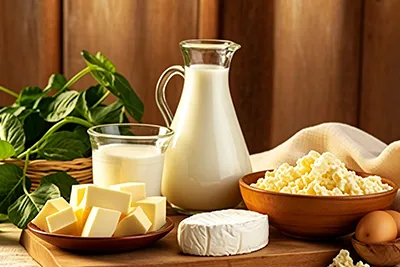
Mixing tanks prepare formulations for dairy products, fruit juices, tea drinks, carbonated beverages, and other liquid products in food and beverage production lines.
- Mixing tanks are made from stainless steel for corrosion resistance, low-energy operation, and long service life. Their simple structure also makes cleaning easier.
- They can be fitted with an agitator selected according to the product and process, so the ingredients mix thoroughly and remain uniform instead of separating, settling, or developing uneven flavor.