Blow Fill Cap Combi-block
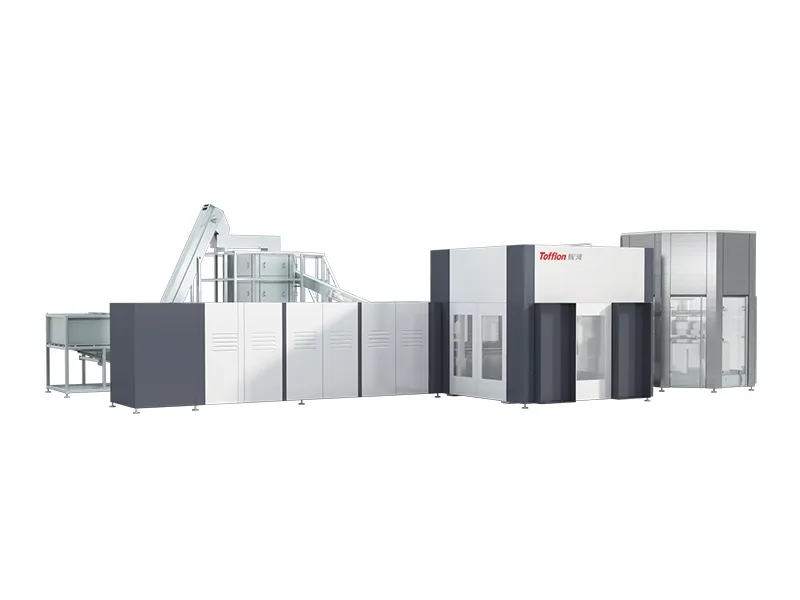
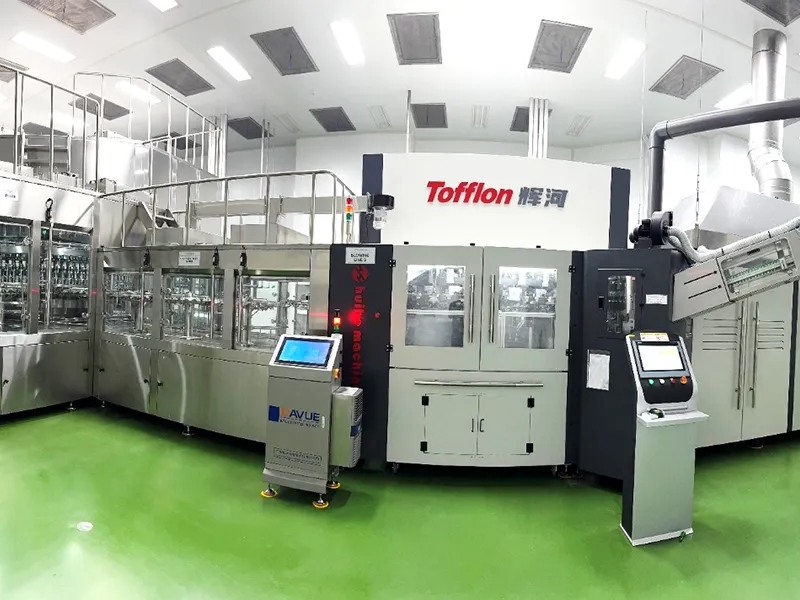
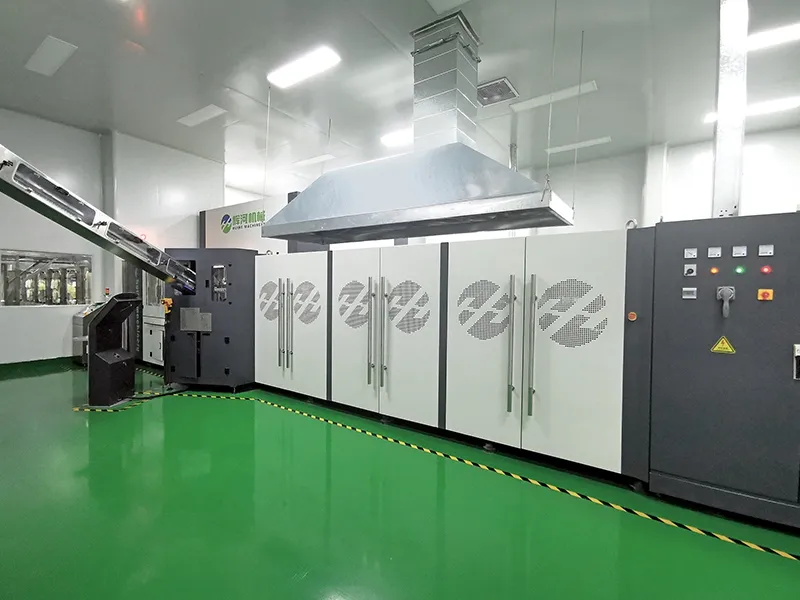
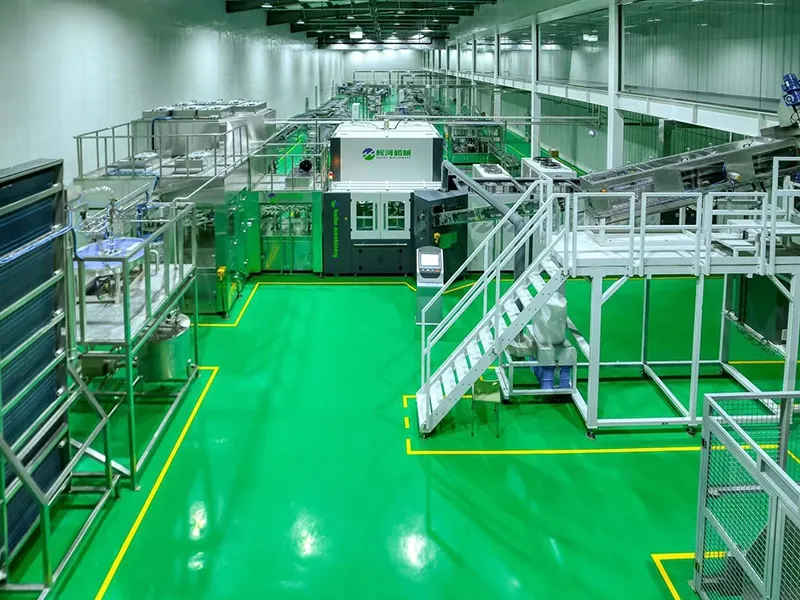
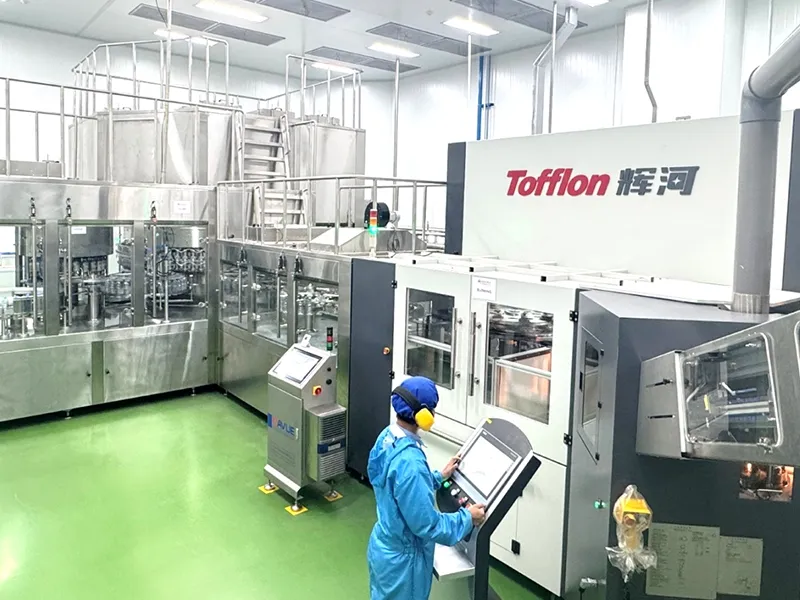
Blow-fill-cap combi-blocks integrate PET bottle blowing, liquid filling, and capping in one continuous unit. The process starts with PET preforms, which can receive VHP sterilization before they enter the blowing section and are formed into bottles inside a closed aseptic area. An enclosed starwheel transfer moves the bottles from the blow molding section to the aseptic filling stage, where aseptic filling valves fill the bottles before they move on to servo capping. Vaporized hydrogen peroxide (VHP) treatment is used for both preform and cap sterilization. Since empty bottles do not need separate storage or long transfers between machines, they spend less time exposed to the surrounding environment and face a lower risk of deformation or secondary contamination.
Blow-Fill-Cap Combi-blocks normally consist in the following sections:
- PET preform sterilization
Vaporized hydrogen peroxide (VHP) sterilizes each PET preform before bottle blow molding starts. - Bottle blow molding
The blow-molding section forms each bottle inside a fully enclosed aseptic chamber. - Aseptic transfer
Enclosed housings protect the transfer path, while starwheels move each bottle from the blow-molding section to the filling section. - Aseptic filling
Aseptic filling valves add the beverage to each bottle at high speed. - Capping
After filling, servo-driven capping places and tightens the cap on each bottle, while VHP sterilization protects the capping area from contamination.
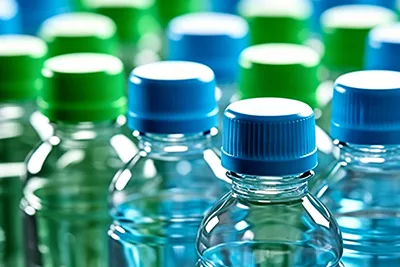
PET Suitable for PET bottling of drinking water, carbonated beverages, juice, dairy products, and liquid seasonings.
- Processes such as bottle blow molding, beverage filling, and capping are completed in one integrated unit.
- Processes including blowing, filling, and capping are integrated in one unit, so bottles move directly from one stage to the next.
- Direct bottle transfer prevents empty bottles from being squeezed or deformed, while the integrated blow-fill-cap design helps reduce overall energy consumption.
- The contactless filling process minimizes direct contact at the filling point, while all beverage-contact parts are made from 316L stainless steel.